Electronic dance music no longer sits in a separate corner of the music world. Its production techniques, visual language, festival culture, and sense of community have moved into the center of pop culture. In 2026, EDM is not simply influencing popular music. It is helping define how music is made, discovered, performed, and shared.
EDM became a creative language
The most important influence of EDM is not one particular sound. It is the freedom to build a track from anything. A vocal fragment can become a hook. A field recording can become percussion. A familiar chord progression can be transformed through sound design, rhythm, and texture.
That experimental mindset now appears far beyond dance music. Pop, hip hop, Latin music, Afrobeats, film scores, gaming soundtracks, and even acoustic music regularly borrow the tension, release, layering, and low end impact that electronic producers have spent decades refining.
The producer is now part musician, part designer
Modern producers do more than write melodies. We shape space, energy, movement, and emotion. A synth patch has color. A kick drum has weight. Reverb creates distance. Automation makes a sound feel alive.
That way of thinking has changed how audiences hear music, too. Listeners may not use technical words like sidechain compression or filter automation, but they recognize the feeling immediately. They know when a build creates anticipation and when a drop delivers the release they were waiting for.
Short form discovery changed the life of a track
A song can now enter culture through a fifteen second moment before many listeners hear the full version. A transition, vocal line, or unexpected drop can travel through videos, dance clips, workouts, fashion content, gaming streams, and fan edits.
This has encouraged producers to think in memorable moments, but the best records still reward a complete listen. A great hook may earn attention. A strong arrangement, emotional arc, and distinct identity are what make people return.
Genre borders keep dissolving
House, trance, techno, melodic dance music, drum and bass, Afro house, and countless hybrid styles are constantly trading ideas. That cross pollination is one reason electronic music remains fresh. Producers can respect the character of a genre without treating its rules like walls.
For me, that is one of the most exciting parts of making music. You can begin with a house groove, introduce the emotion of trance, use the directness of pop, and still create something that feels personal. The goal is not to check boxes. The goal is to build a world that makes sense when the listener steps inside it.
Live shows became immersive worlds
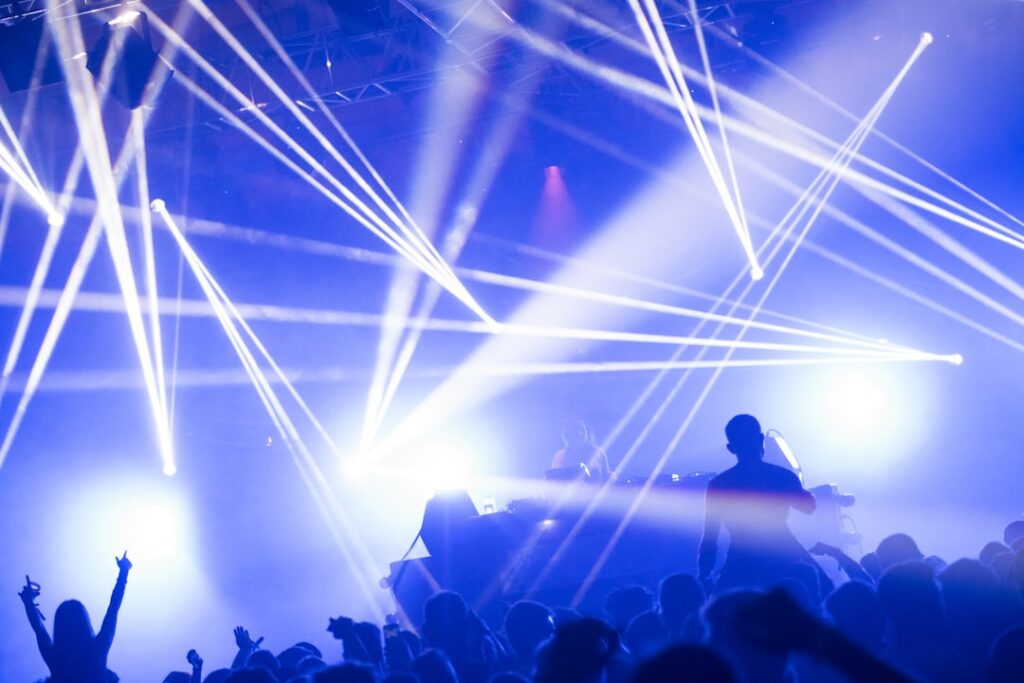
Electronic music helped transform concerts into full sensory experiences. Lighting, screens, stage architecture, synchronized visuals, and crowd participation all work with the music. The show is no longer decoration placed around the songs. It is part of the storytelling.
At the same time, the most powerful element remains surprisingly simple: people moving together to the same pulse. Technology can make the room spectacular, but the shared human energy is what makes the night unforgettable.
Community is still the heart of it
EDM has always been about more than equipment and spectacle. Dance floors create temporary communities. People with different backgrounds can share the same rhythm without needing an introduction. That feeling of openness, release, and belonging is one reason the culture continues to grow.
The internet expanded that community. Producers can share works in progress, listeners can discover scenes on the other side of the world, and independent artists can build a direct relationship with the people who connect with their music.
What comes next
The tools will continue to change. Artificial intelligence will assist with organization, experimentation, editing, and technical tasks. Immersive media will give artists new ways to present music. New platforms will change how tracks are discovered.
But tools do not replace taste. They do not replace the decision to leave space before a drop, choose one imperfect vocal take because it carries more feeling, or remove a sound that is impressive but does not belong. Technology expands the palette. The artist still decides what the painting means.
That is why the beat goes on. EDM keeps evolving because it is not built around a single instrument, format, or generation. It is built around possibility. As long as producers keep searching for new ways to move people, electronic music will keep shaping the culture around it.
Want to see the process behind the music? Read How I Build an EDM Track: From the First Idea to the Final Mix.
Featured photo by A J. on Unsplash.