Originally published January 31, 2025. Completely revised and updated September 21, 2026.
Making music is one of the ways I understand myself. A melody can hold a memory, and a rhythm can change the energy of a whole room. A track can start as a small idea and end up connecting with someone I’ve never met.
I didn’t get to electronic music in a straight line. It started with curiosity, got buried under the responsibilities of everyday life, and eventually came back with more purpose than before.
Where It Started
In 1998, while I was in college studying accounting and business finance, I was introduced to a program called FruityLoops, which later became FL Studio. I started making loops and beats between classes. Building an artist career wasn’t on my mind back then. I was just fascinated that I could take an idea in my head and turn it into something I could hear.
I saved some of those early sessions on an old hard drive and got on with life. I worked in accounting and finance, then went into the retail clothing business. Music still mattered to me, but producing it was no longer at the center of my days.
Finding the Music Again
Years later, I found that old hard drive and opened the sessions I’d made. I expected them to sound terrible. Some of them were rough, of course, but the ideas were still there, and so was the feeling.
In 2016, I came back to music production seriously. The technology had changed, the software had become more powerful, and I had a lot to learn. This time I wasn’t experimenting to pass the time. I wanted to understand arrangement, sound design and mixing, and how a complete track holds its energy and its emotional structure.
During the pandemic, I got the chance to give that process more time. I studied modern production techniques, went back to unfinished ideas, and got more disciplined about turning sketches into finished music. Each session helped me hear more clearly what belonged in my sound and what didn’t.
What Finding My Sound Really Means
For a long time, I thought finding my sound meant picking the correct genre or discovering one perfect combination of instruments. I see it differently now. Your sound isn’t a preset, a plugin or a label. It’s the pattern that shows up in the choices you keep making.
I’m drawn to the emotion of trance, the movement of house, and the scale and energy of progressive electronic music (I go into that in my post on building an EDM sound in Los Angeles). Artists such as Armin van Buuren, Tiësto, Calvin Harris and David Guetta showed me different ways electronic music could connect with enormous audiences. Their influence matters, but finding my own voice takes more than following the artists who inspired me.
It takes knowing when to trust instinct, when to use analysis, and when to stop chasing perfection. My background trained me to examine details and solve problems, and that analytical side helps me build and refine a track. The creative side reminds me that music can’t be reduced to a spreadsheet. A technically perfect track means very little if it doesn’t make someone feel something.
Music Inside a Full Life
I don’t make music in isolation. I’m also a husband, a father of twin boys and a business owner. Some days give me hours of creative focus. Other days give me a small window after everything else is handled.
That reality has changed the way I work. I no longer wait for the perfect mood or the perfect amount of time. I capture ideas when they arrive, come back to them when I can, and keep the project moving. Progress is often small: a better transition, a cleaner mix, or finally removing the sound that never belonged.
Every unfinished session has taught me something. Every release is a record of where my ears, my skills and my life were at that moment. I don’t need to erase the earlier versions of myself to grow past them.
Where I Am Now
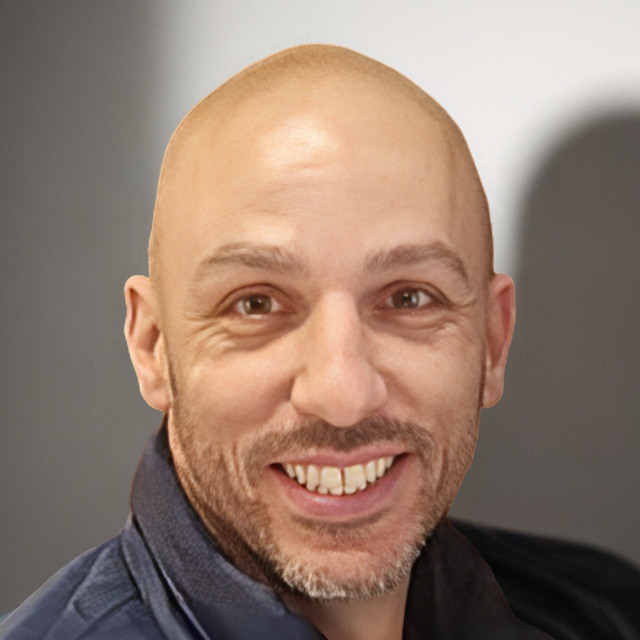
Today, Eddie Zar is where all of those chapters connect. The college student making loops in 1998, the businessman who rediscovered an old hard drive, and the producer still learning how to turn emotion into sound are the same person.
I’m still developing and releasing music, and sharing more of the process behind it. If you want to see how I approach a track from the first idea through the final mix, read How I Build an EDM Track. You can also listen to my music on Spotify and YouTube.
Finding my sound has been a long conversation between who I was and who I’m still becoming, and it picks up again every time I open a project and press play.