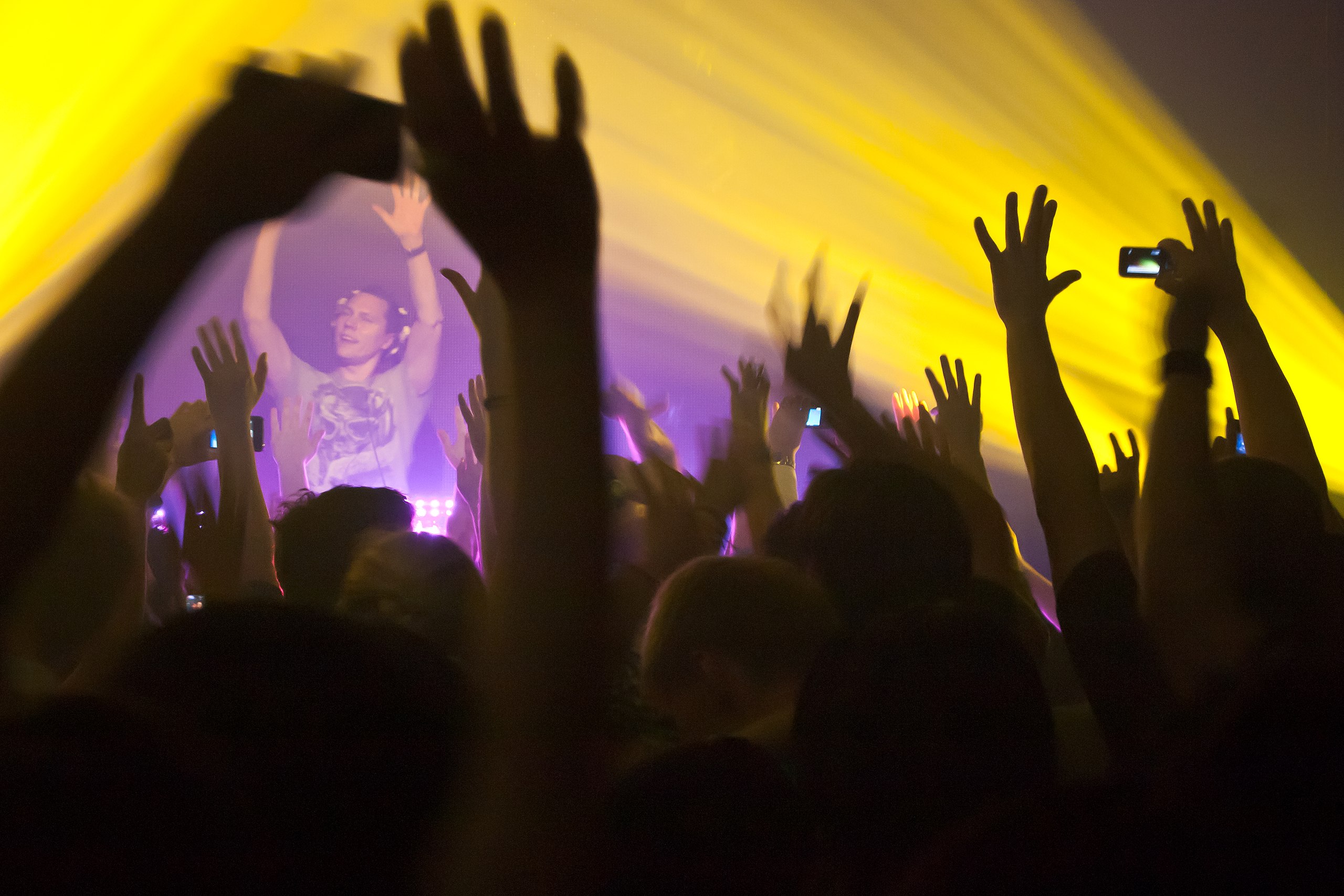
Every few years, someone announces that trance is dead. Then a new record brings back the long build, the suspended chord, the bright lead and the kind of release that gets a whole crowd lifting its hands at the same moment.
In 2026, the question is back: is trance music making a comeback?
My answer is yes, as long as we’re honest about what a comeback means. Trance never disappeared. It moved away from the center of mainstream electronic music, kept evolving inside its own global community, and quietly fed its ideas into progressive house, melodic techno, hard dance and festival EDM. What feels new now is a generation recognizing how powerful the trance vocabulary still is.
The comeback question is slightly wrong
A genre with active artists, labels, radio shows and festivals isn’t dead. Trance kept all of those going even while pop leaning EDM, tropical house, future bass and techno got more of the attention.
The strongest evidence goes beyond nostalgia. In 2026, A State of Trance is celebrating 25 years with an official anthem collection that connects its history to a new 2026 anthem. The A State of Trance festival network continues to promote events in Rotterdam, Ibiza and London. Major electronic lineups still include artists associated with trance and progressive music, including Above & Beyond and ALPHA 9 on the official EDC Las Vegas 2026 lineup.
Nobody’s claiming trance has suddenly conquered every chart. The useful part is what that evidence does show: the audience, the infrastructure and the creative energy never went away.
What is actually returning?
What’s coming back most visibly is trance ideas, often in tracks nobody labels “trance.”
Producers are reaching again for emotional chord progressions, extended tension, brighter synthesizer leads, faster tempos and breakdowns that are allowed to breathe. Those elements can show up inside progressive house, melodic techno or hard dance without the artist putting a strict genre label on the record.
That’s how musical cycles usually work. A new generation rarely rebuilds the past exactly. It takes the parts that still feel alive and puts them in a new context.
Classic trance often asked the listener to be patient, and the payoff depended on the wait (it’s part of why the extended mix still matters). Modern releases usually get to their ideas faster, but the desire underneath them is similar. People still want electronic music that feels larger than a collection of drops, with anticipation, melody and emotional release.
Why melody matters again
I’ve always been drawn to the point where melody and energy meet. A powerful kick can move a room, but melody gives that movement a memory. There’s a separate post on what makes an EDM melody stay with you.
That’s one reason trance keeps surviving every prediction of its death. Its best records work as functional dance tracks and also attach emotion to repetition. A phrase returns, changes slightly, gathers tension and finally resolves, and the listener feels that resolution coming.
Electronic music sometimes moves toward minimalism, rhythm and texture. At other moments the pendulum swings back toward harmony and emotional storytelling. Neither direction is better. The interesting music often shows up when producers stop treating them as opposites.
The current trance influence feels exciting because it’s colliding with cleaner modern production, heavier low end and ideas borrowed from neighboring genres. The result doesn’t have to sound like 1999 to carry the emotional DNA of trance.
My perspective after producing since 1998
I started producing electronic music in 1998, using FL Studio when it was still known as FruityLoops. Back then, electronic production felt like discovering a secret room. The tools were becoming accessible, but every finished track still took patience, experimentation and a willingness to get lost.
Since then, I’ve watched styles rise, dominate and fade from the spotlight. What I learned is that genres rarely disappear. They move between the mainstream and the underground, absorb new technology and borrow from one another. Eventually an idea that sounded outdated starts to sound fresh again, because the audience hearing it has changed.
Trance is especially suited to that cycle. Its emotional architecture is too useful to abandon. Producers may change the drums, shorten the arrangement or replace the classic lead, but the move from tension to release still works.
The same principle shapes my own approach. I care about melody, electronic energy and the moment a track stops feeling like a project file and starts feeling alive. I wrote more about that process in How I Build an EDM Track: From the First Idea to the Final Mix.
The new cycle should leave gatekeeping behind
If trance is entering another visible cycle, it shouldn’t repeat one of the genre’s old mistakes: treating purity as more important than creativity.
Arguments about the correct tempo, the correct arrangement or whether a record is “real trance” may protect a definition, but they can also suffocate the experimentation that keeps music alive. Trance itself grew through exchange with house, techno, ambient music and progressive electronic styles.
A producer using trance chords inside melodic techno, or a younger artist dropping a euphoric breakdown into hard dance, isn’t stealing from the genre or disrespecting its history. Combinations like these are evidence that the language still matters.
Respect the roots and credit the pioneers, learn the craft, then make something new.
Why this moment feels different
Nostalgia is certainly part of the story. Listeners regularly rediscover the sounds connected to earlier decades. But nostalgia alone can’t sustain a scene. The more interesting signal is that trance techniques solve a current creative problem.
Electronic music is crowded with technically polished records. Production quality is easier to achieve than it was twenty years ago. What’s still difficult is creating an emotional identity that listeners remember.
Trance gives producers a tested language for that. It makes space for a central melody, a clear emotional arc and a payoff that feels earned. Combine those principles with modern sound design and they can feel familiar and new at once.
So, is trance really back?
Yes, though nobody flipped a switch in 2026.
Trance is more visible because the wider electronic scene is ready again for some of what it does best. Melody is returning to harder music. Emotional breakdowns are crossing genre lines. Long running trance institutions are celebrating major milestones while new listeners discover the sound without carrying the old arguments about what it’s allowed to be.
The genre doesn’t need to reclaim a past golden age. It needs to keep evolving.
Trance changed shape and waited for the culture to come back around, and it’s reminding electronic music that energy hits harder when it carries emotion.
You can hear more of my work on the Music page or listen on Spotify.